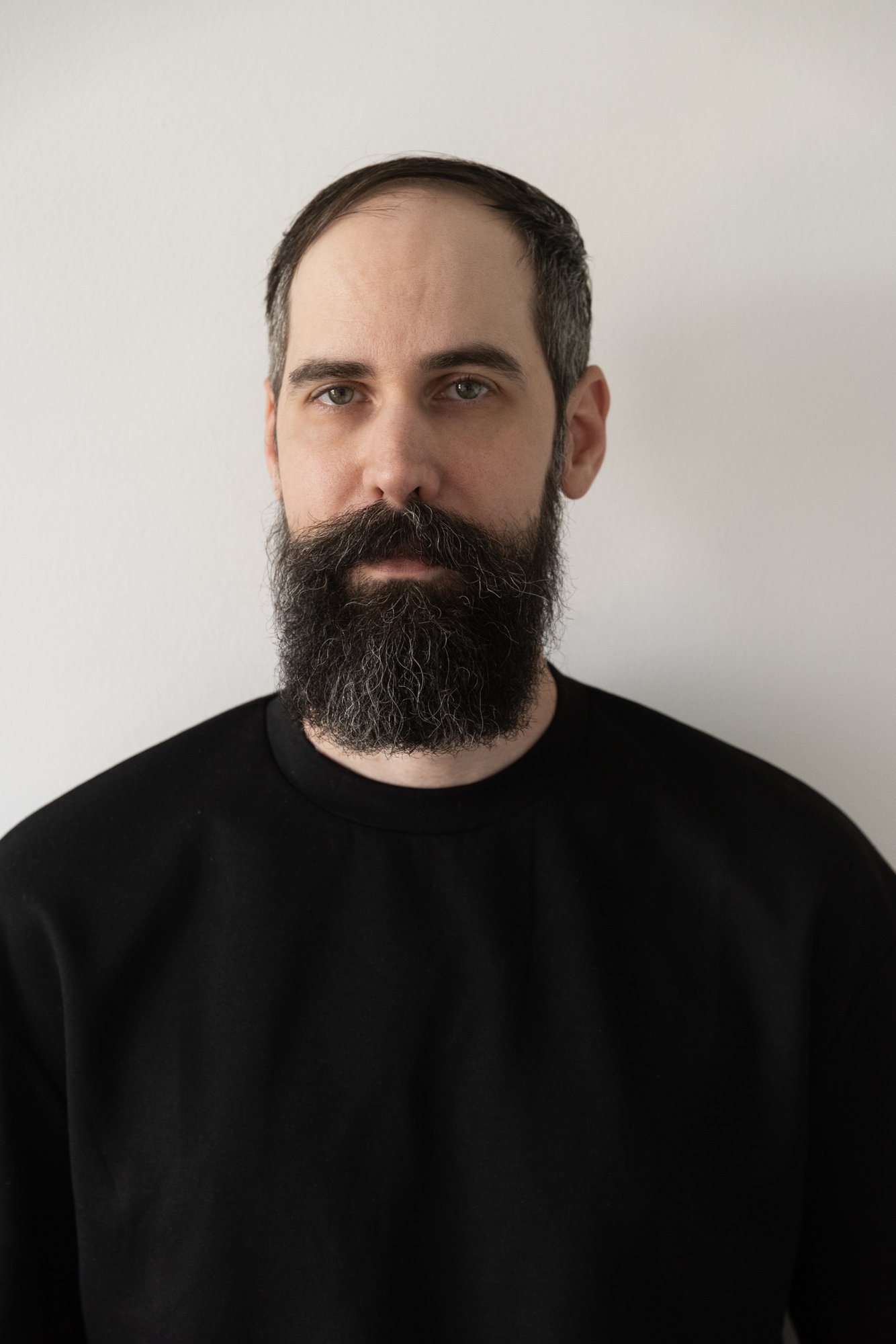
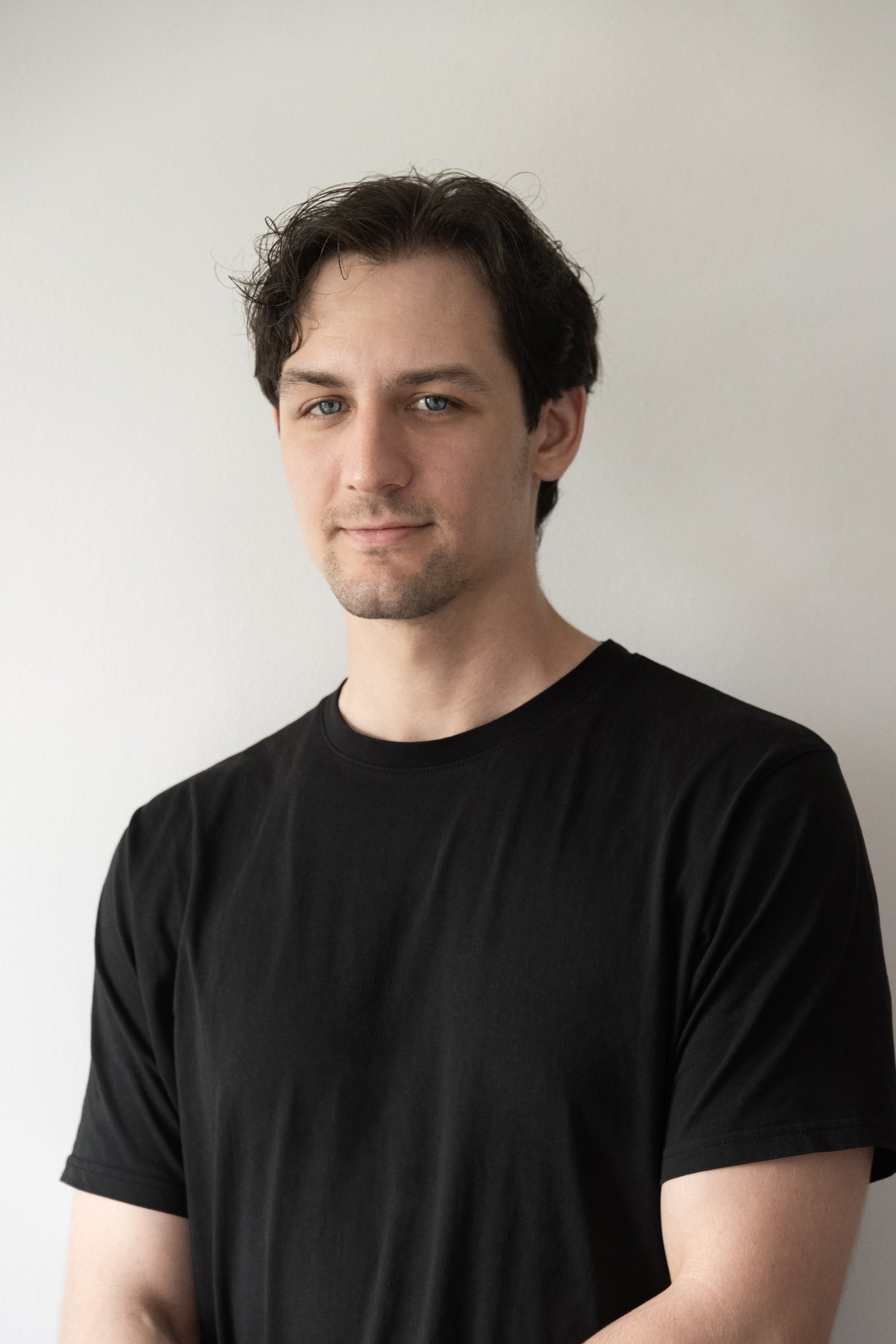
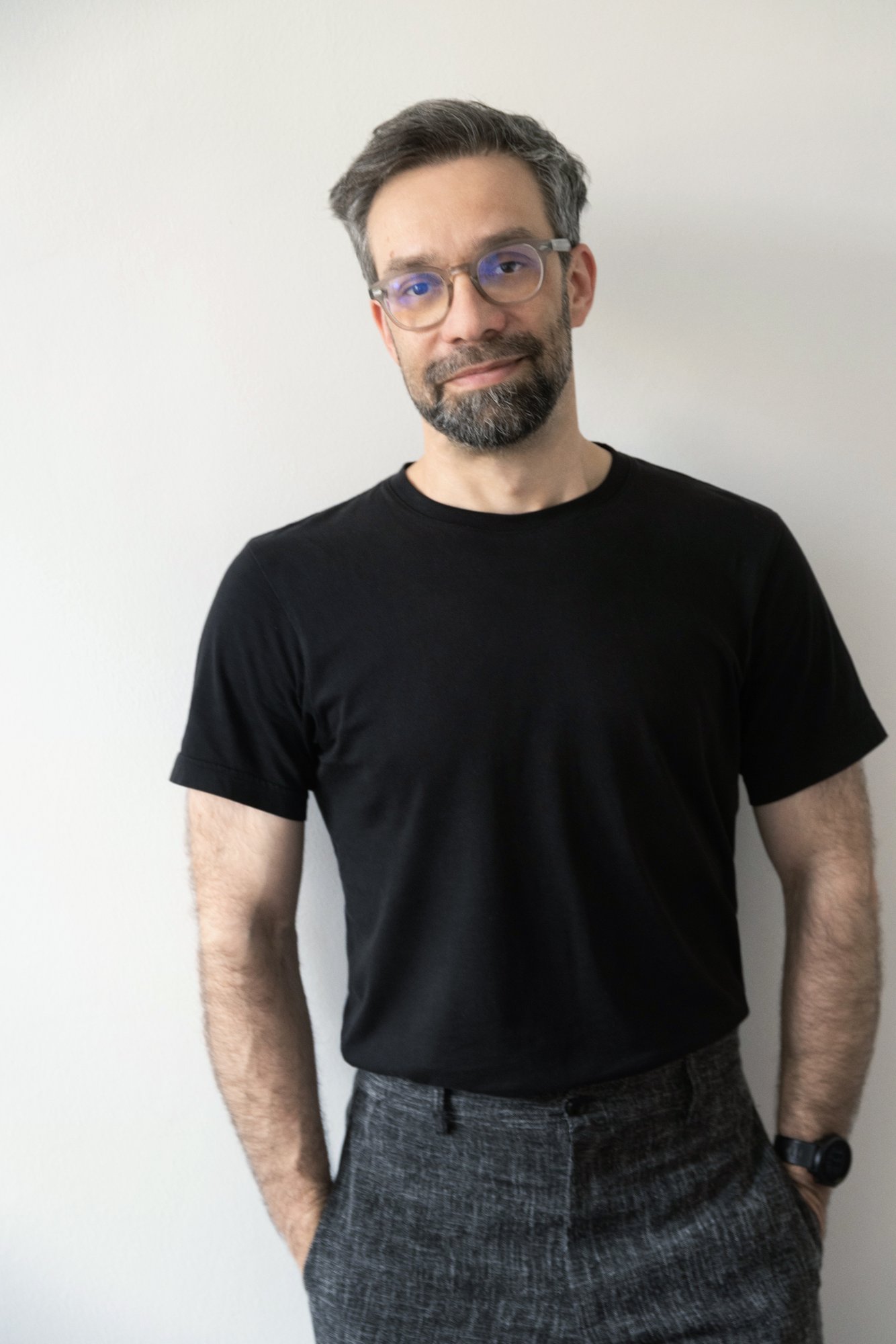
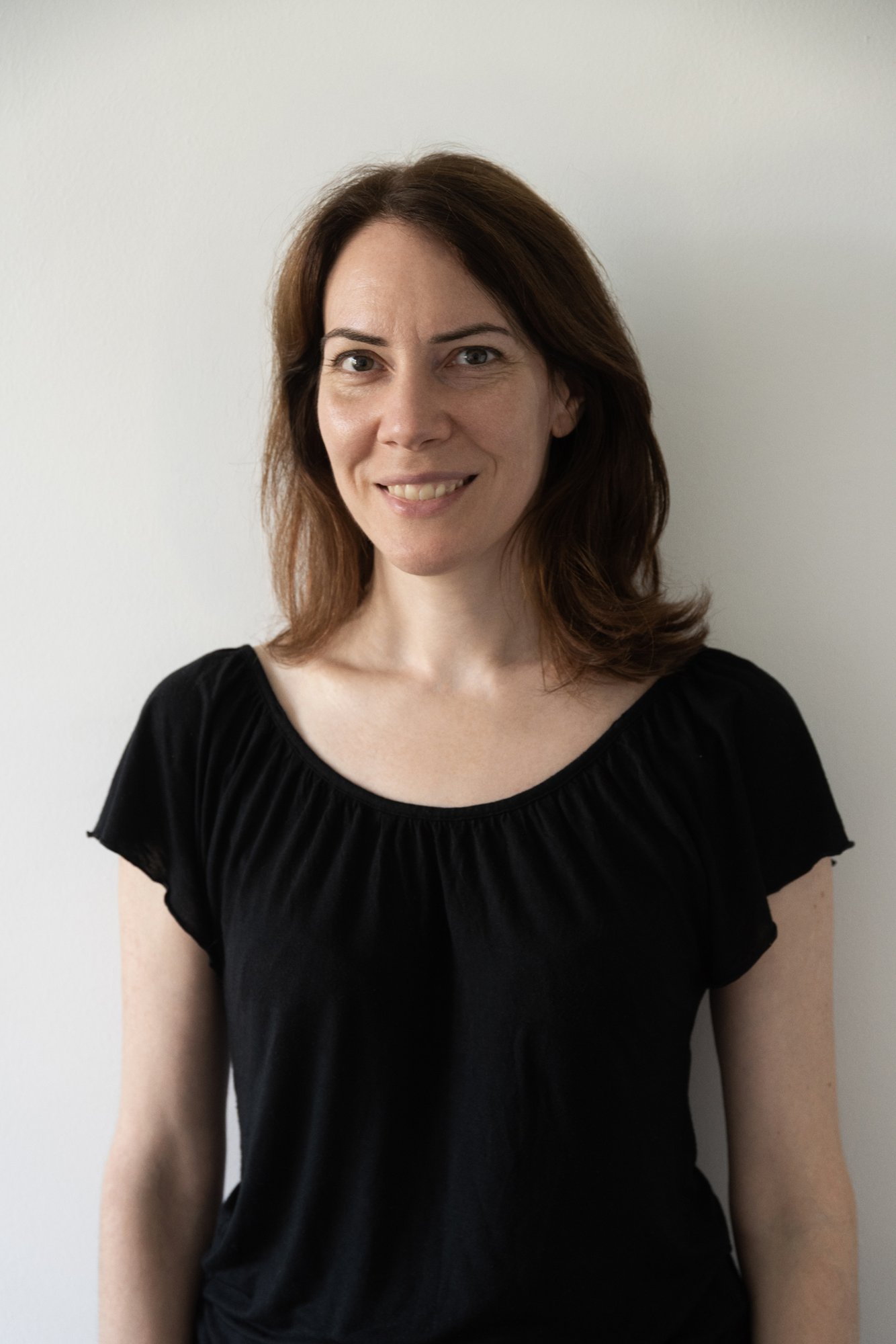
×
‹
›
We make images that win clients.
Your project, art directed — not just rendered.
AI can do the perfect image — we do the right one.
Any architect can photograph their own building. Same camera, same button. The images that end up in publications are still made by photographers. The tool was never the point. AI is no different. It gives you the perfect image. For a lot of work, that's enough. When the stakes are high, it isn't.
What stops a client is never the safe, expected image. It's the one that commits to a single honest moment, specific enough to be surprising, decided enough to be remembered. That decision cannot be averaged into existence. It has to be chosen.
Trained as architects, photographers, and painters, across twenty years and hundreds of projects, we know what makes a visual strong.
That's what you get with us.
Interested in a similar visual approach?
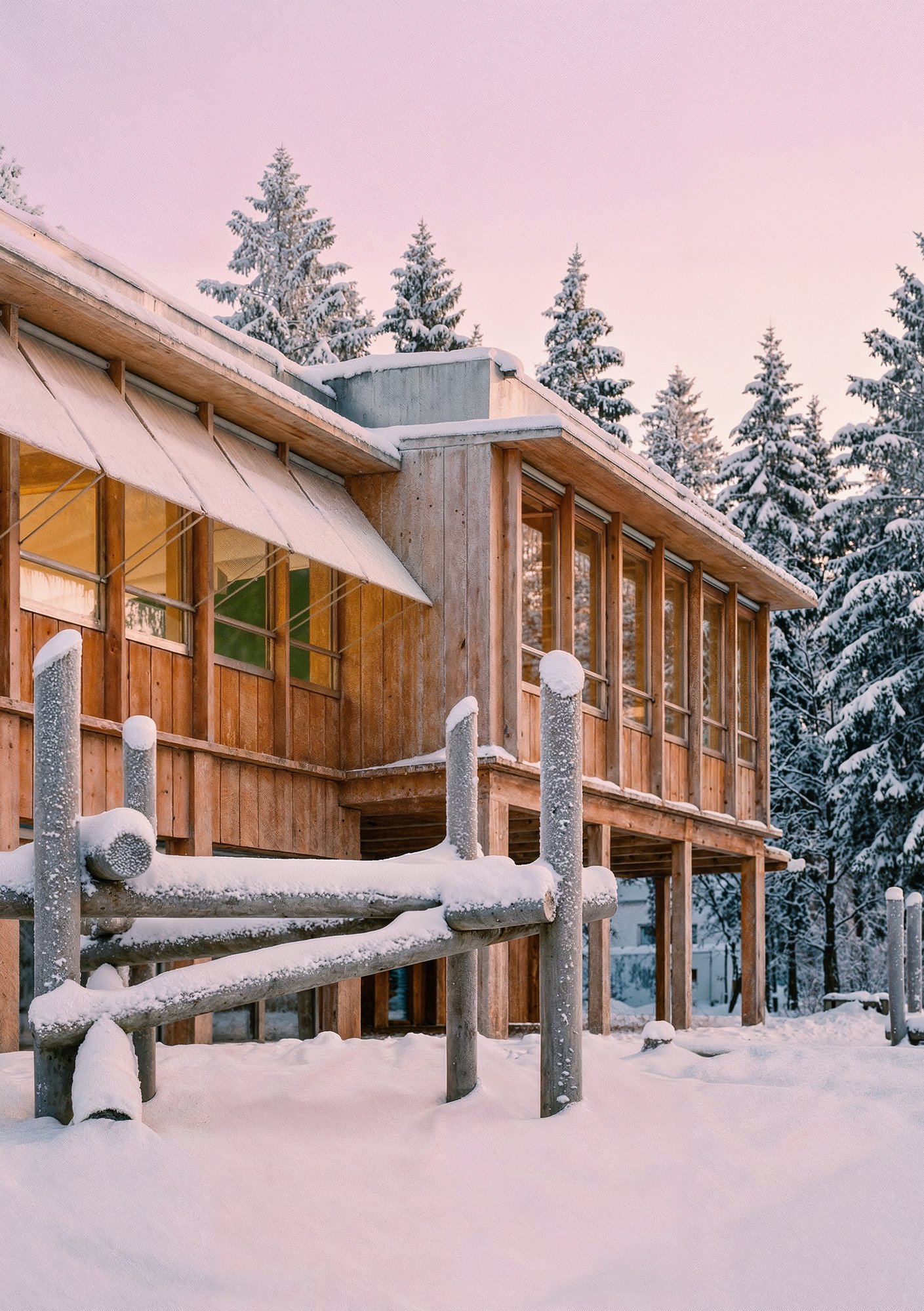
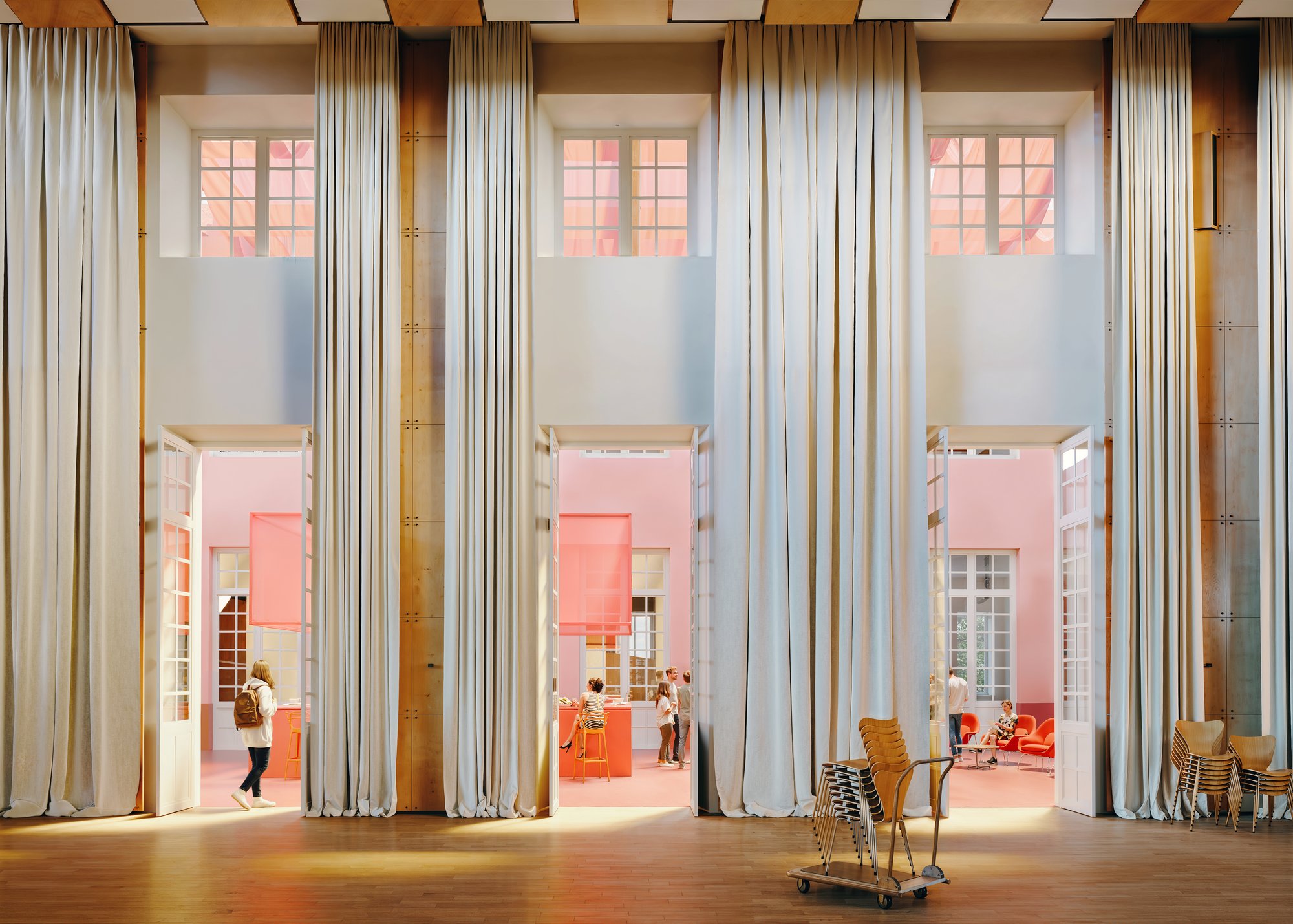
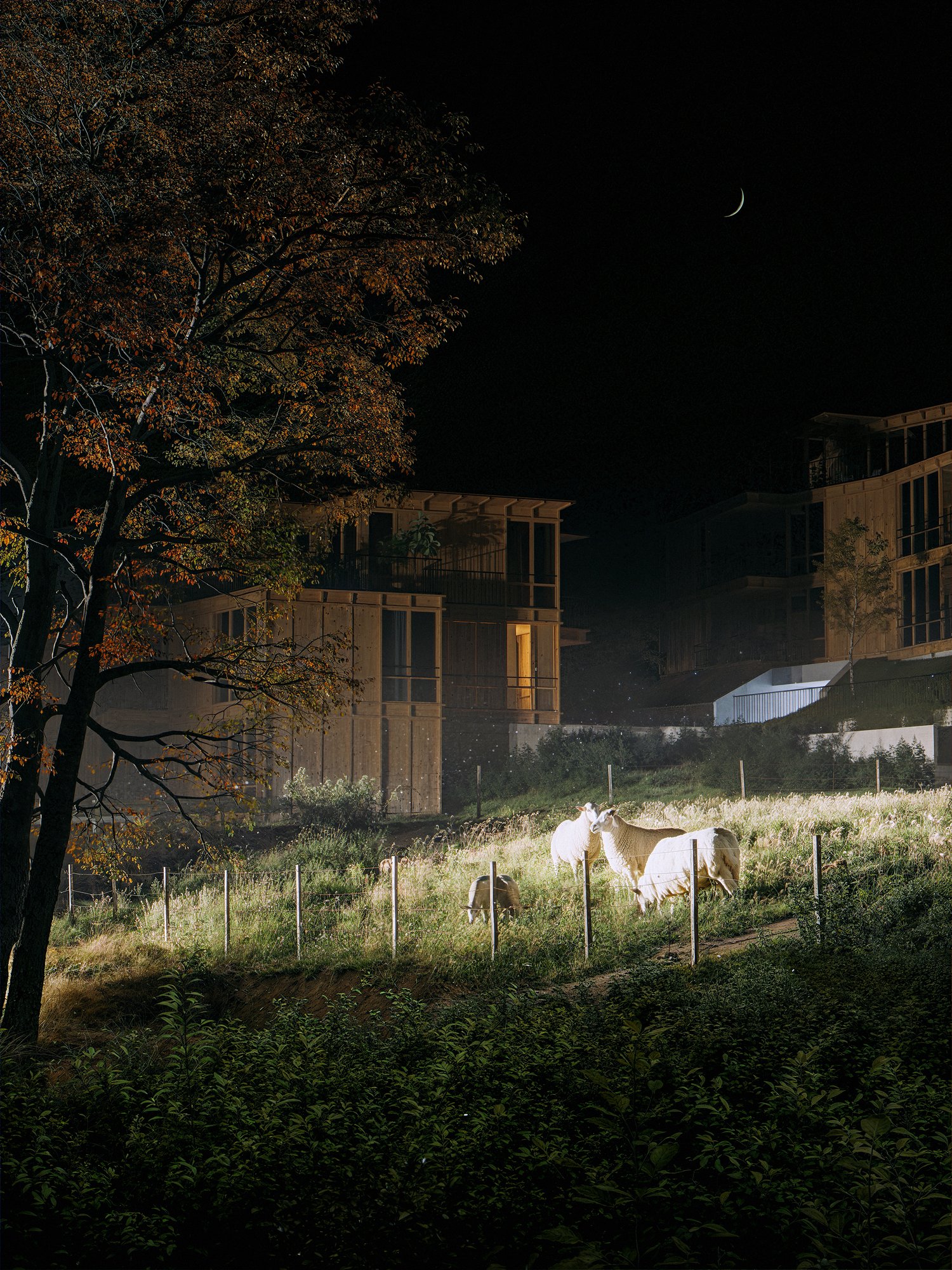
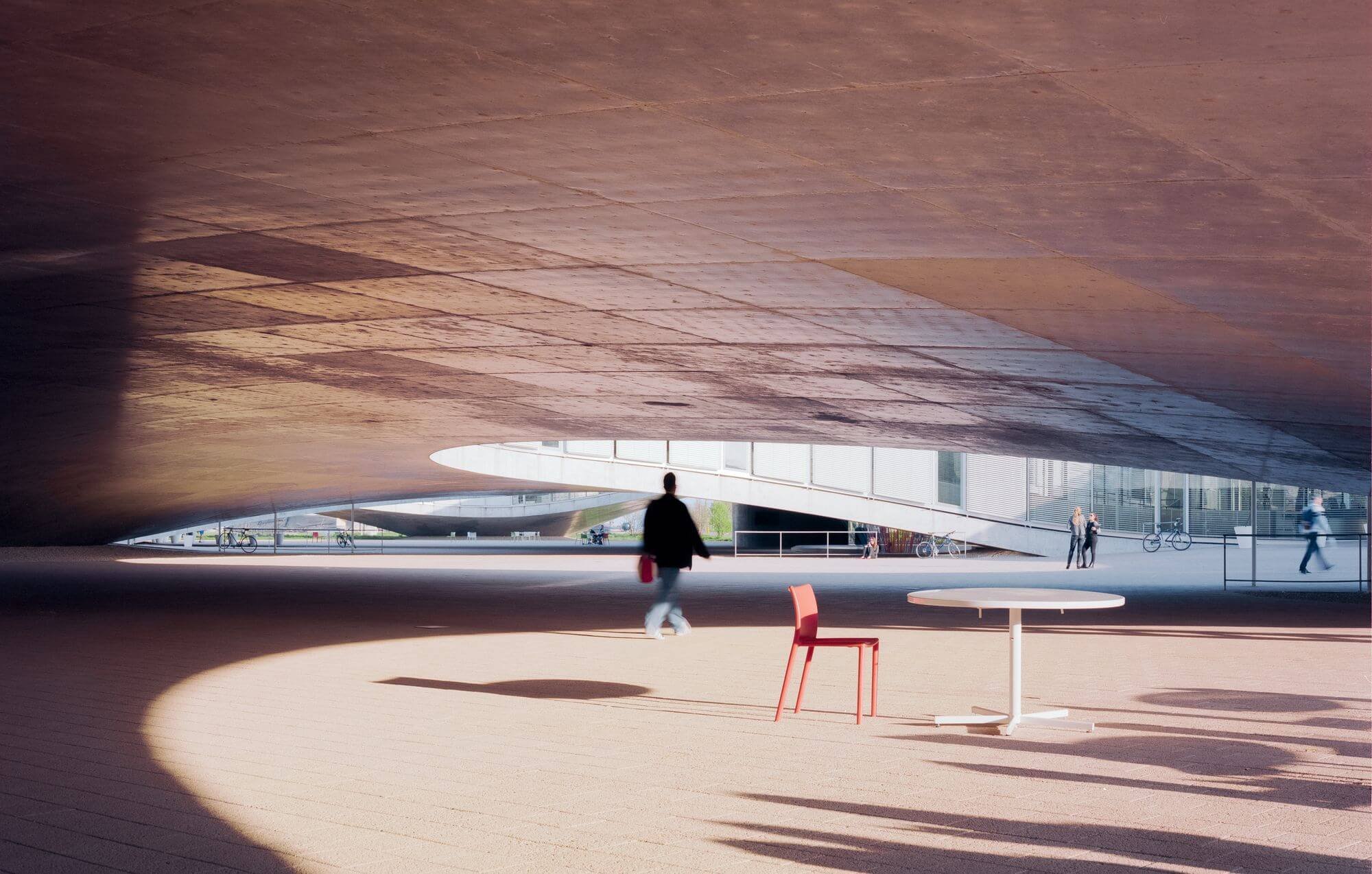
Cultural, artistic and socially engaged projects, where architectural visualization, storytelling and atmosphere meet other forms of communication.
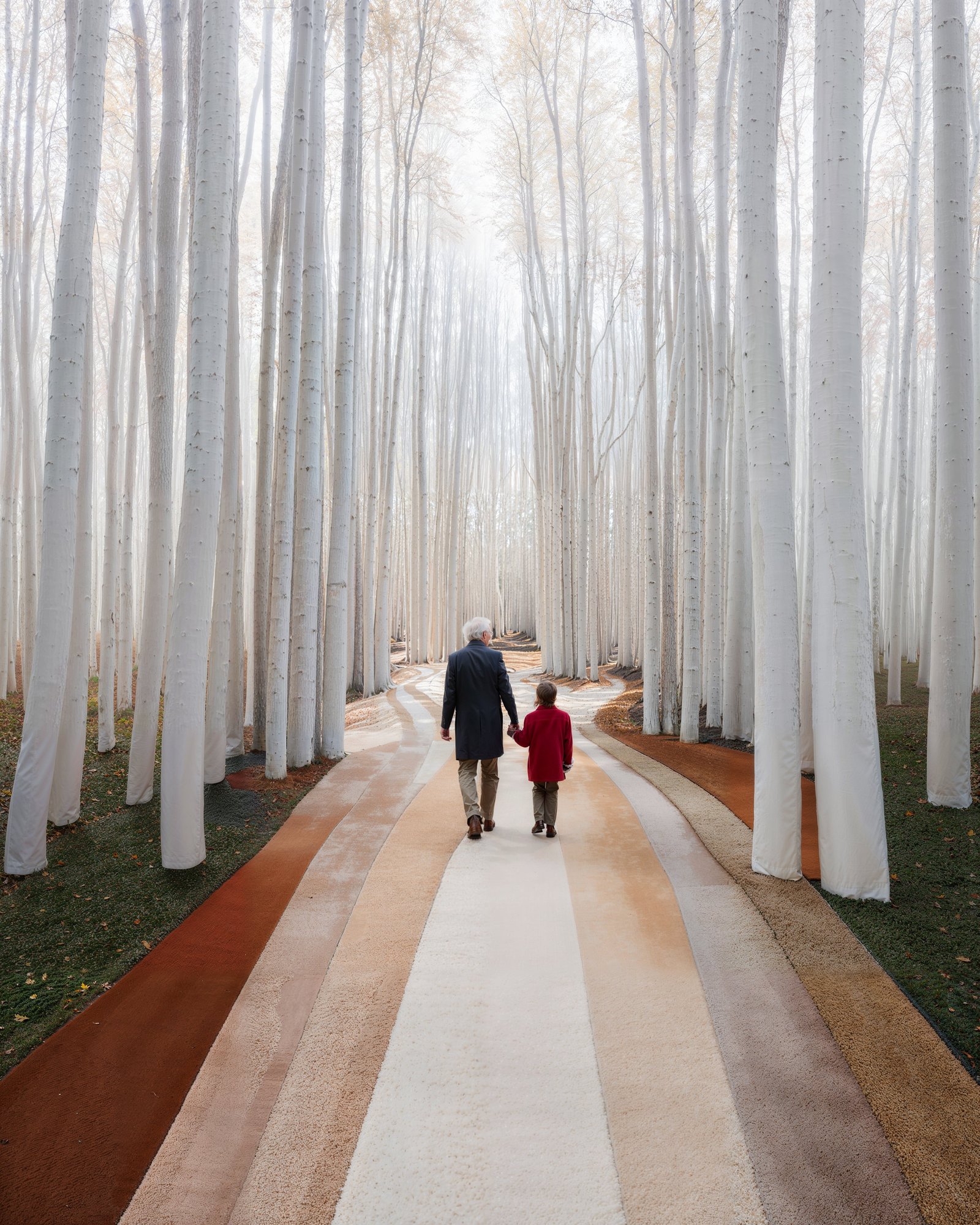
There is a version of every project that looks perfect. Bright, warm, smooth, easy to like. AI produces it in seconds, and it asks nothing of the viewer.
We are after something else. The image that commits to one moment, one light, one honest reading of the building. The one that makes people want it to exist.
Discover our services →








Send us your brief or get in touch to discuss the right visual approach for your project.
Any architect can photograph their own building. Same camera, same button. The images that end up in publications are still made by photographers. The tool was never the point. AI is no different. It gives you the perfect image. For a lot of work, that's enough. When the stakes are high, it isn't.
What stops a client is never the safe, expected image. It's the one that commits to a single honest moment, specific enough to be surprising, decided enough to be remembered. That decision cannot be averaged into existence. It has to be chosen.
Trained as architects, photographers, and painters, across twenty years and hundreds of projects, we know what makes a visual strong.
That's what you get with us.
There is a version of every project that looks perfect. Bright, warm, smooth, easy to like. AI produces it in seconds, and it asks nothing of the viewer.
We are after something else. The image that commits to one moment, one light, one honest reading of the building. The one that makes people want it to exist.
Discover our services →
Send us your brief or get in touch to discuss the right visual approach for your project.
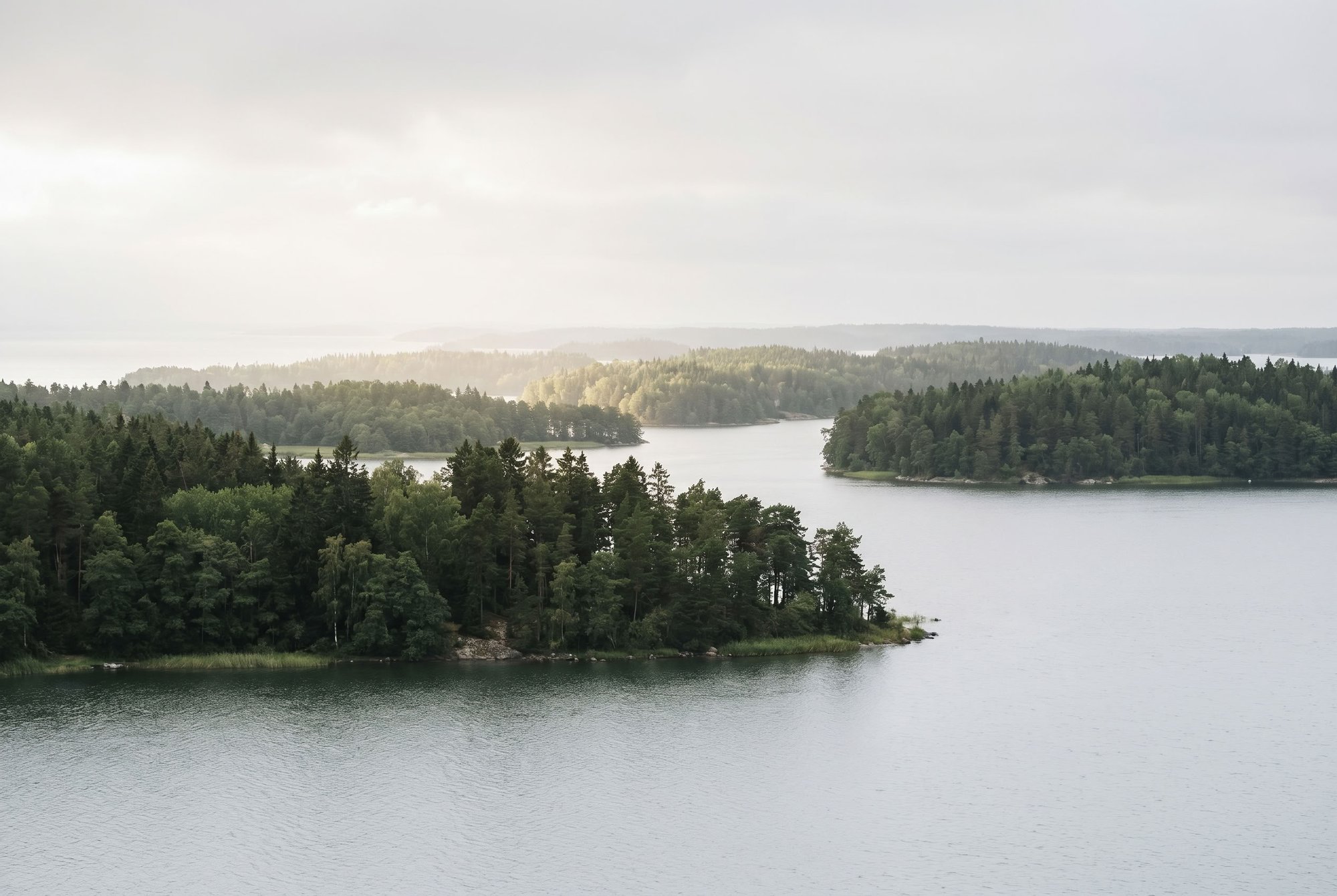
We help you win competitions, get your design approved,
and your clients impressed.
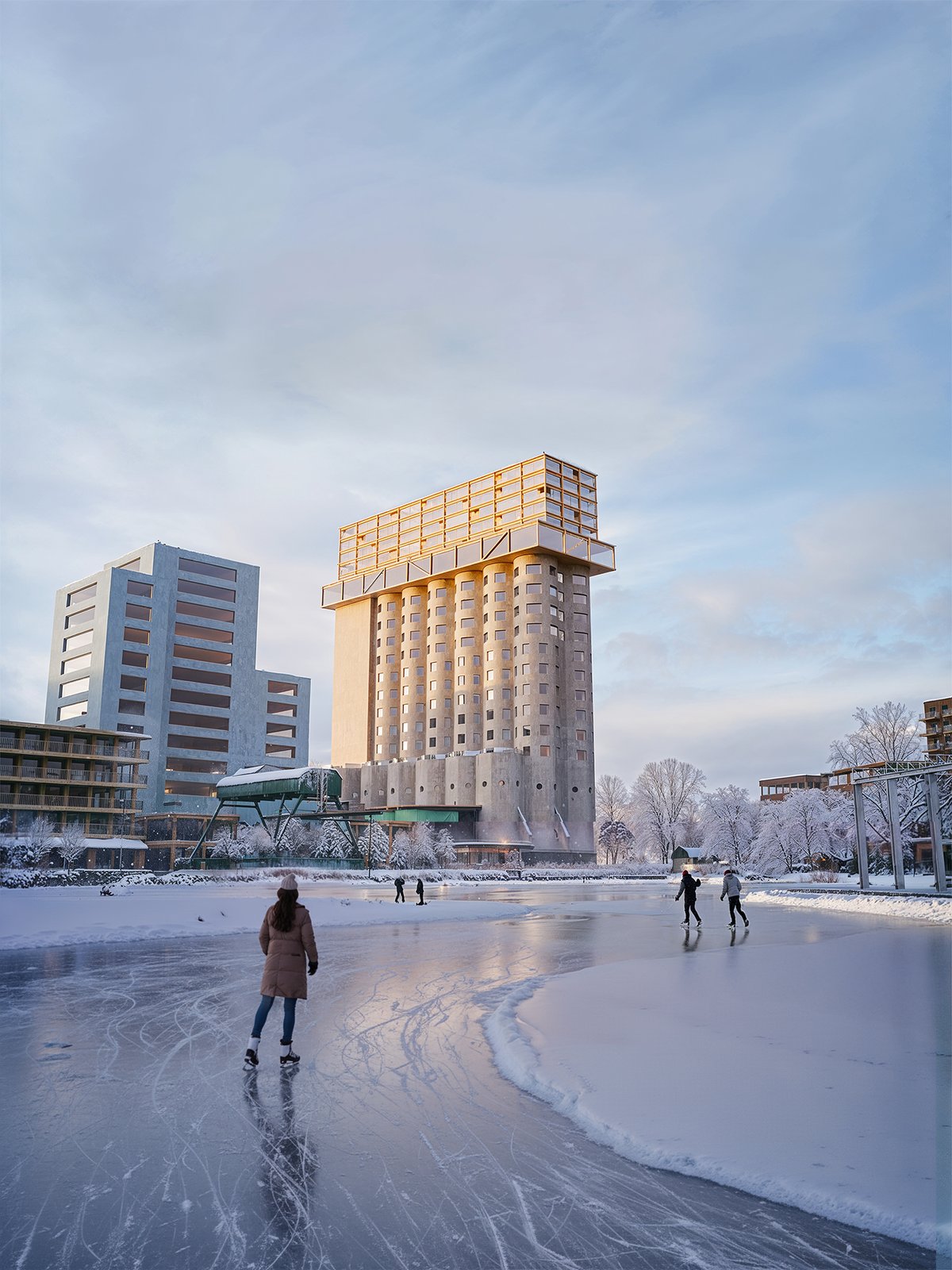
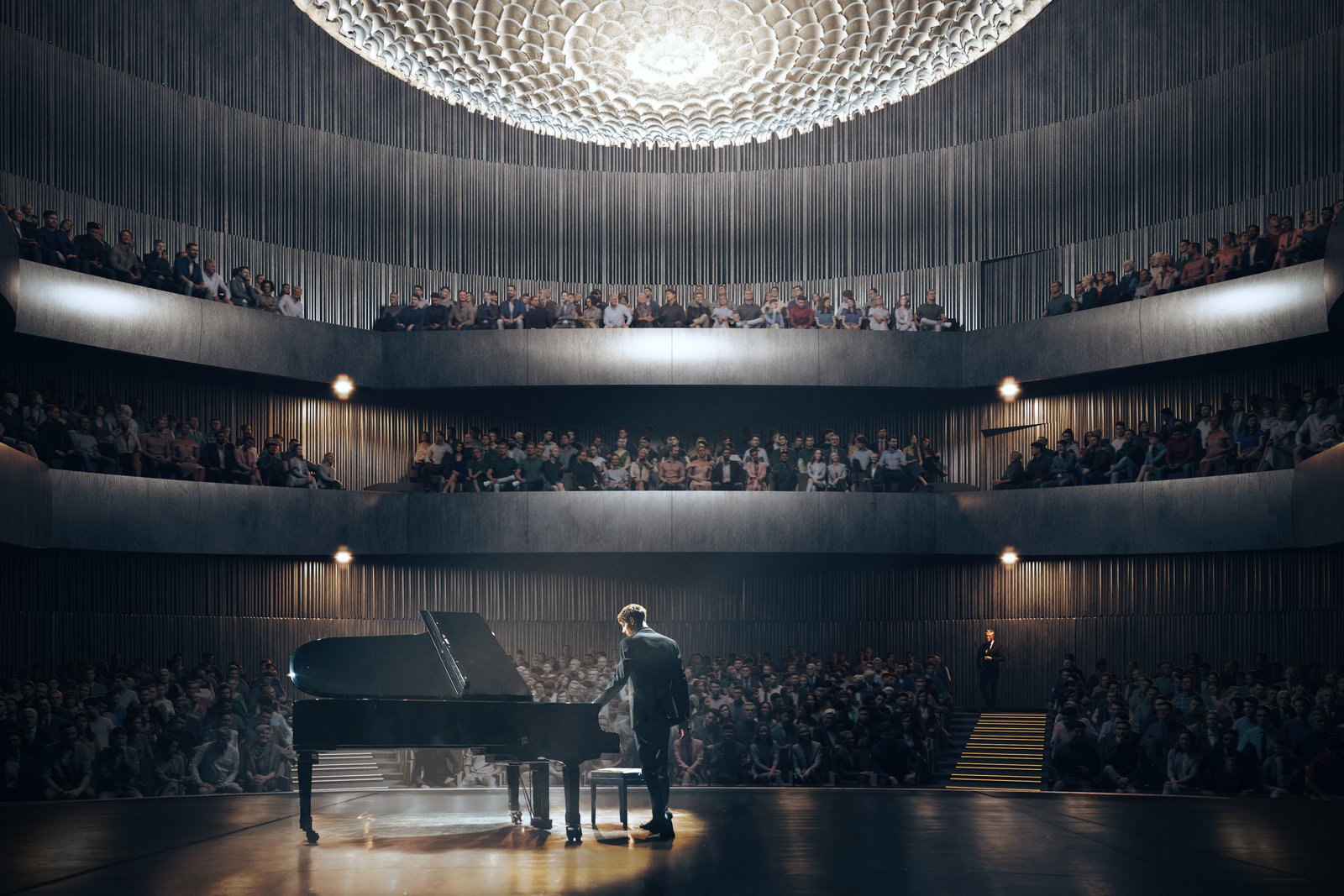
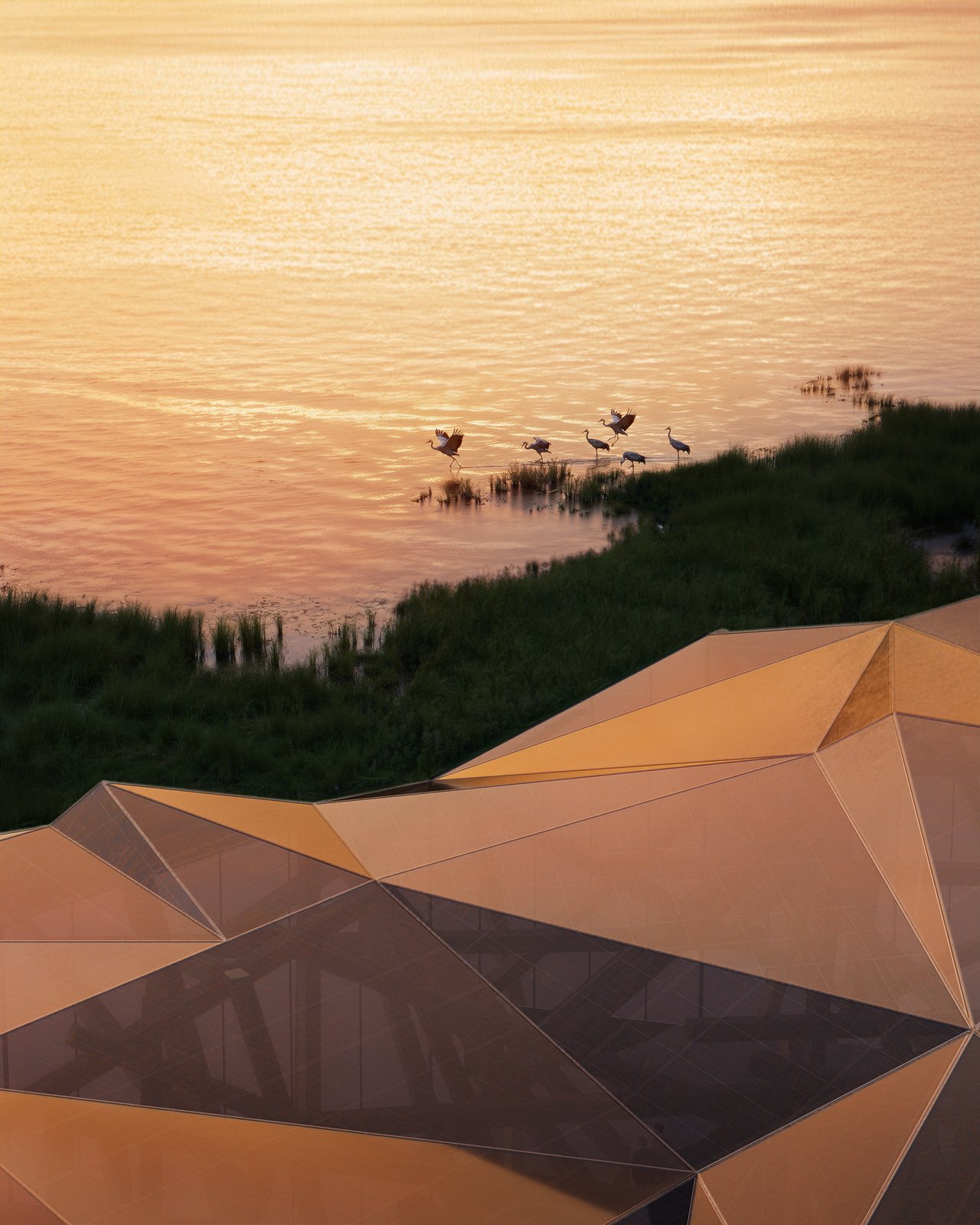
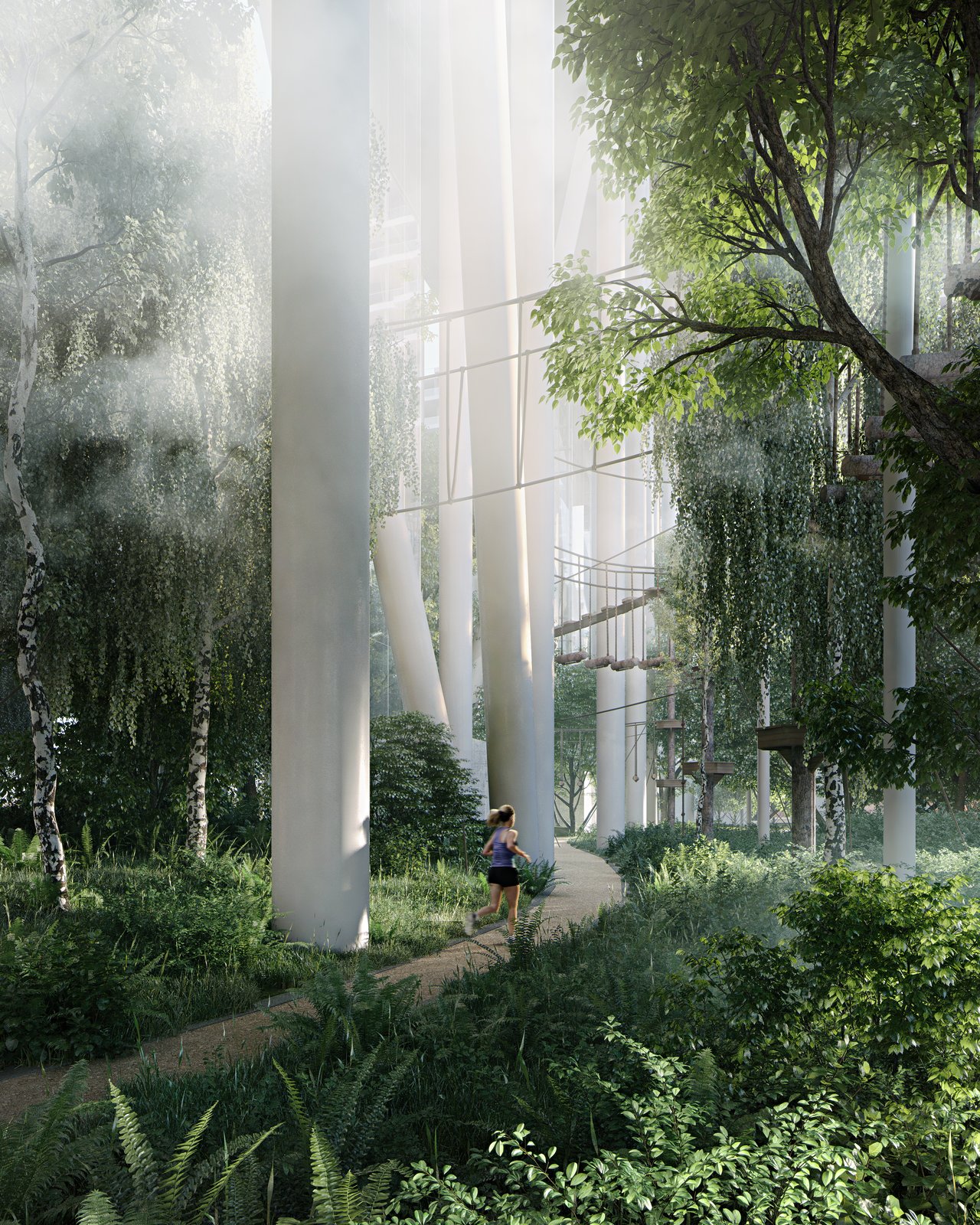
Send us your brief and we'll help define the right visual package for the project stage, timeline and intended use.
Contact usYou spend months developing a design that is genuinely different. Then the images arrive looking like every other project in the field. Warm, smooth, safe. Your architecture is technically there — but the thing that makes your design yours is gone.
Your competition entry blends into the shortlist. Your client presentation doesn't land the way it should. Your bid loses to a weaker scheme with more memorable images. The renders explain the project fine. They just don't make anyone stop.
Every image we make gets art directed for your specific design: one moment, one light, one clear reading of what makes your building singular. No invented warmth, no visual filler, no safe defaults lifted from the last job. We test 30 angles internally before you see one. What lands on your desk is already edited, already composed, already working.
We define the visual character of the project together from the start, the mood, the light, the focus of each image, and hold that direction all the way through. The result is a coherent image set that feels as considered as the architecture itself.
Precision is not a bonus. It is the baseline every delivery is built on. What reaches you is correct, consistent and ready to use. No supervision needed on your end. No new problems introduced in the process of solving old ones.
We come with ideas, not just skills. We bring a visual strategy: which moments to show, which to save for later, and how to build a coherent image set that tells one clear story. We test 30 angles before you see one.
We build a close working relationship with your team from the start. As architects ourselves, we read the drawings, understand the intent, and shape the visual communication of your project — translating the architectural idea into a clear, memorable image set.
We adapt to the project. Every collaboration gets a specific approach for that particular brief: the right workflow, the right scope, the right level of involvement. When priorities shift or change at the last minute, we are ready. There is always a solution.
We review your project, understand your goals and define the visual direction together — scope, mood, and the main message of each view. Written assessment within 24 hours.
We test angles, light, and mood internally until we find the coherent image set that best reveals what makes your design worth remembering, not just explaining.
Focused development with structured feedback rounds and clear milestones. Every decision is made with the final image set in mind, not just the individual frame.
Every image goes through an art director review before it reaches you. Verified against your design, edited, composed and ready to use.
Send us your brief and we will help define the right visual package.
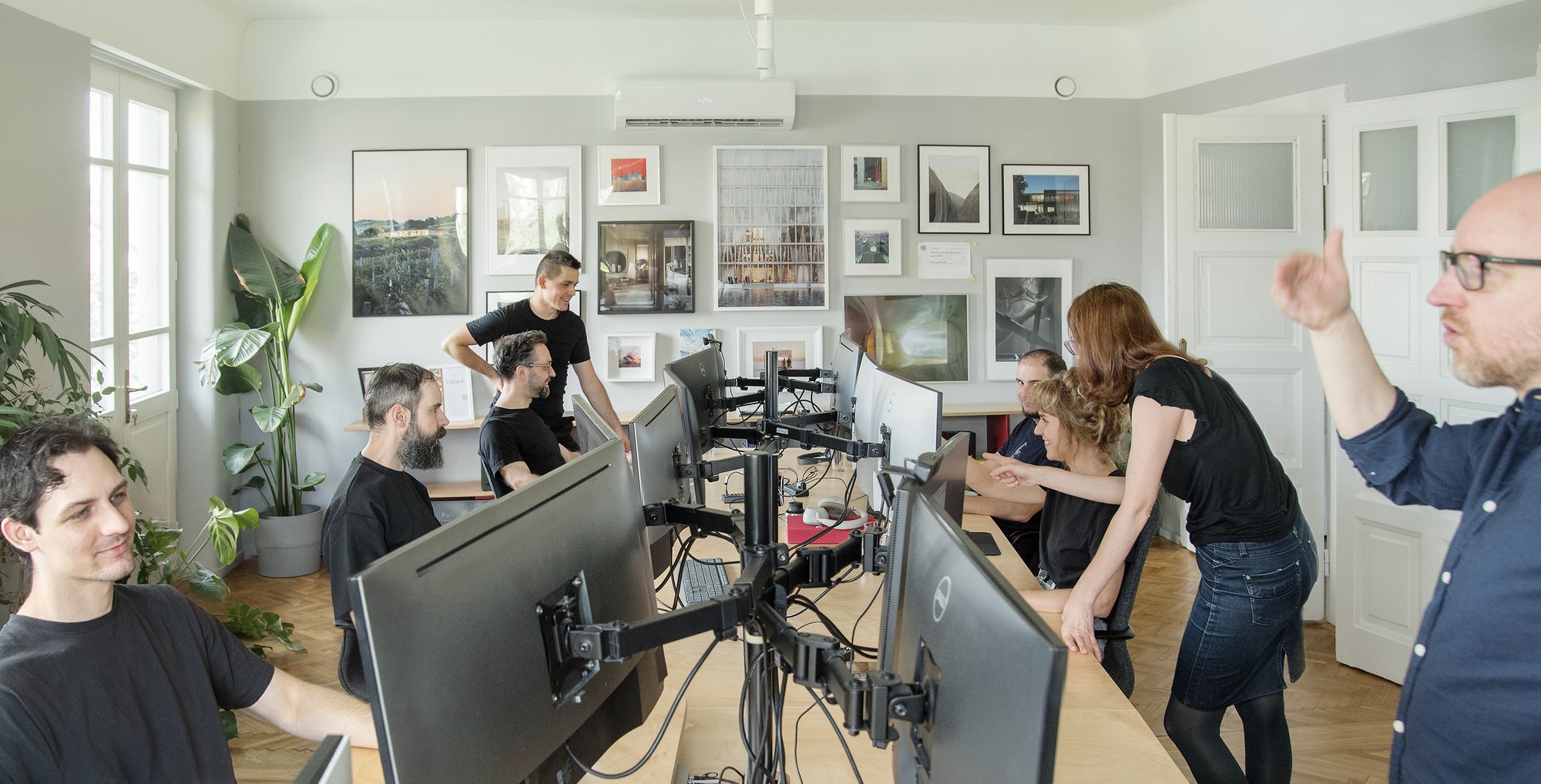
Honest images over safe ones. A coherent visual story over a collection of views. A thinking partner over a rendering service.
We consult, we propose, we push back when needed — because we believe the strongest architecture deserves images that match its ambition.
Our aim is not only to explain the design clearly, but to make people connect with it, sense its atmosphere, and get excited about the project's potential.
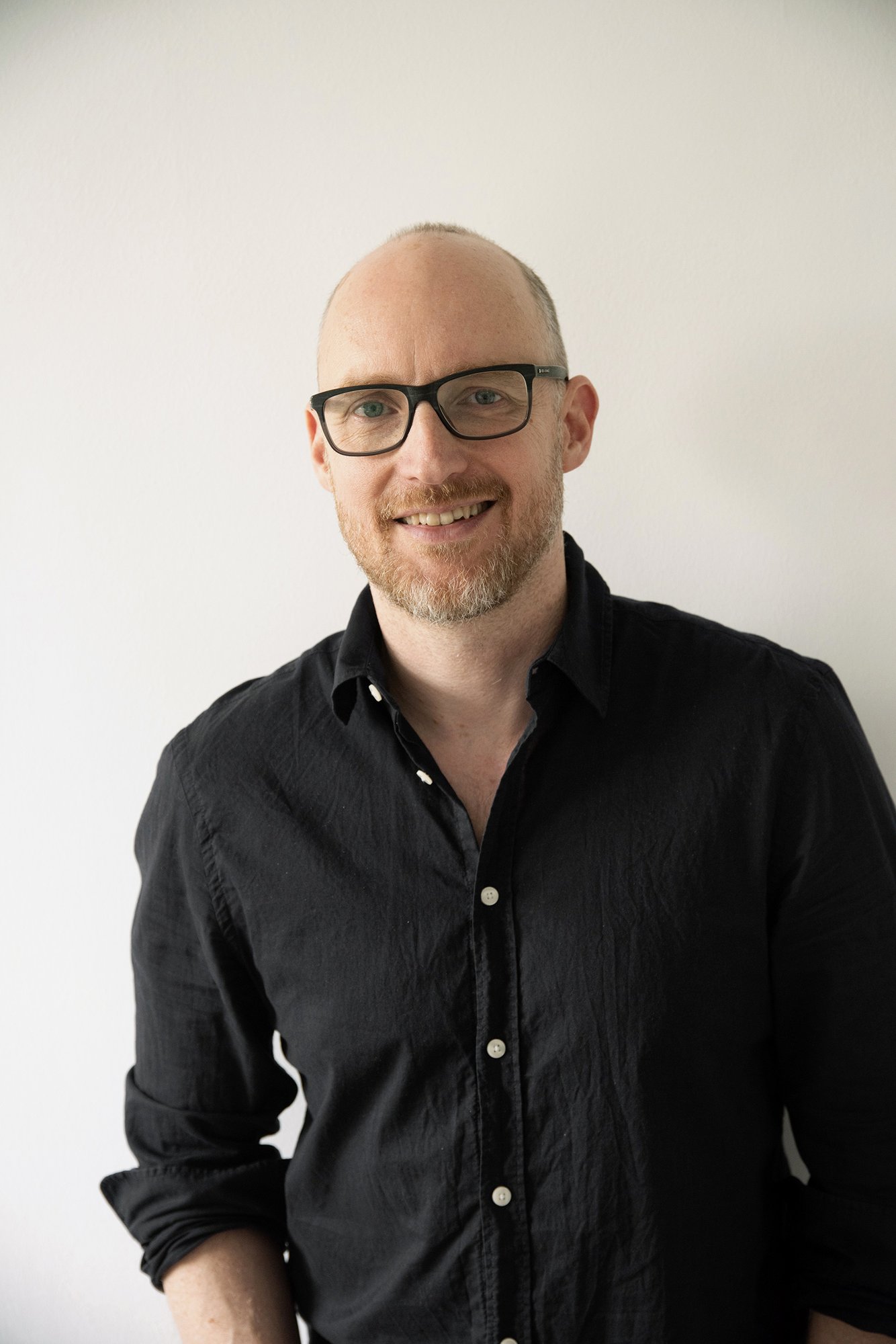
Aron built the visualization department at Herzog & de Meuron in 2010. That partnership still runs today. ALA followed in 2014, a boutique studio working with architecture practices worldwide on the images that win competitions and bids.
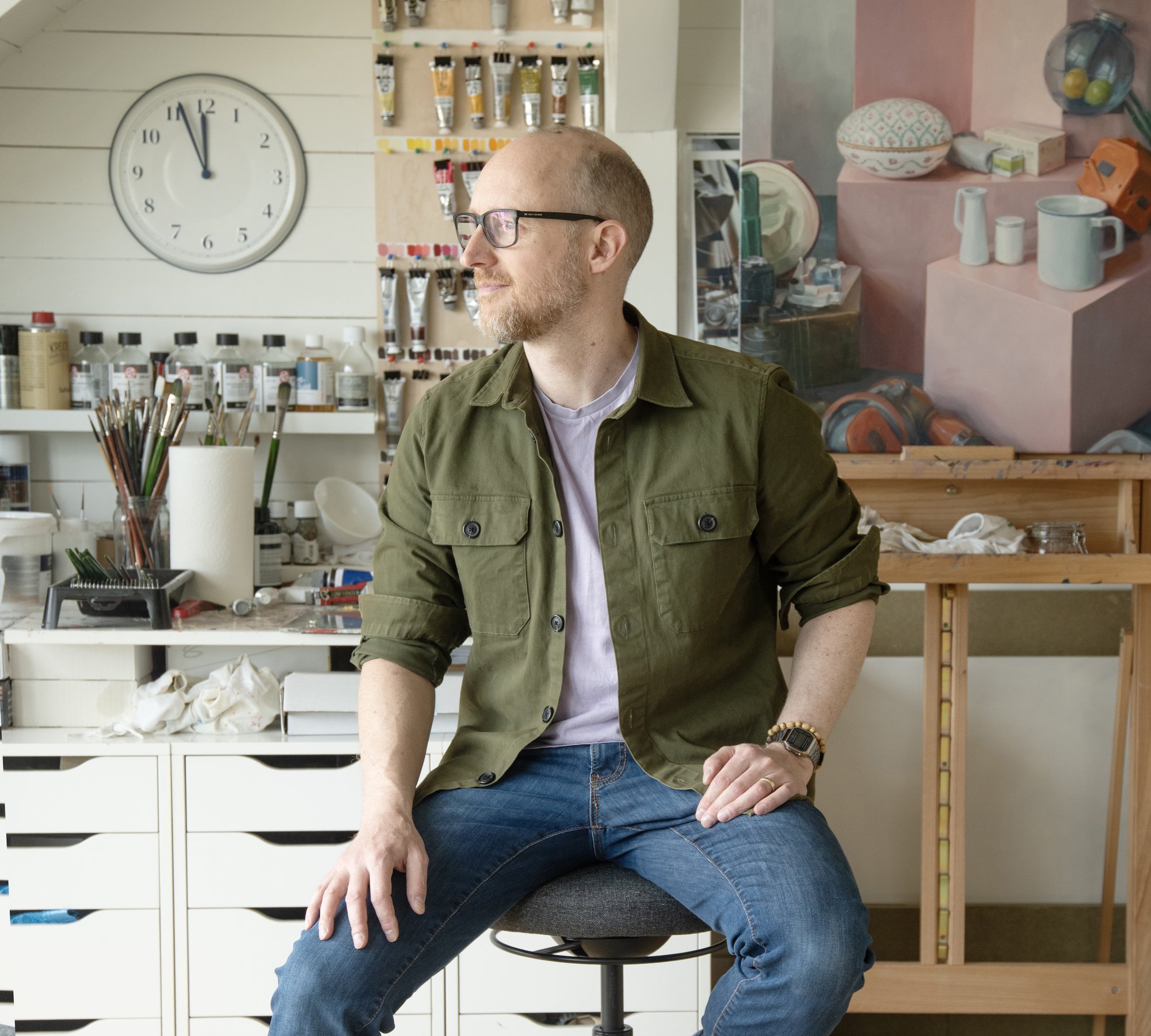
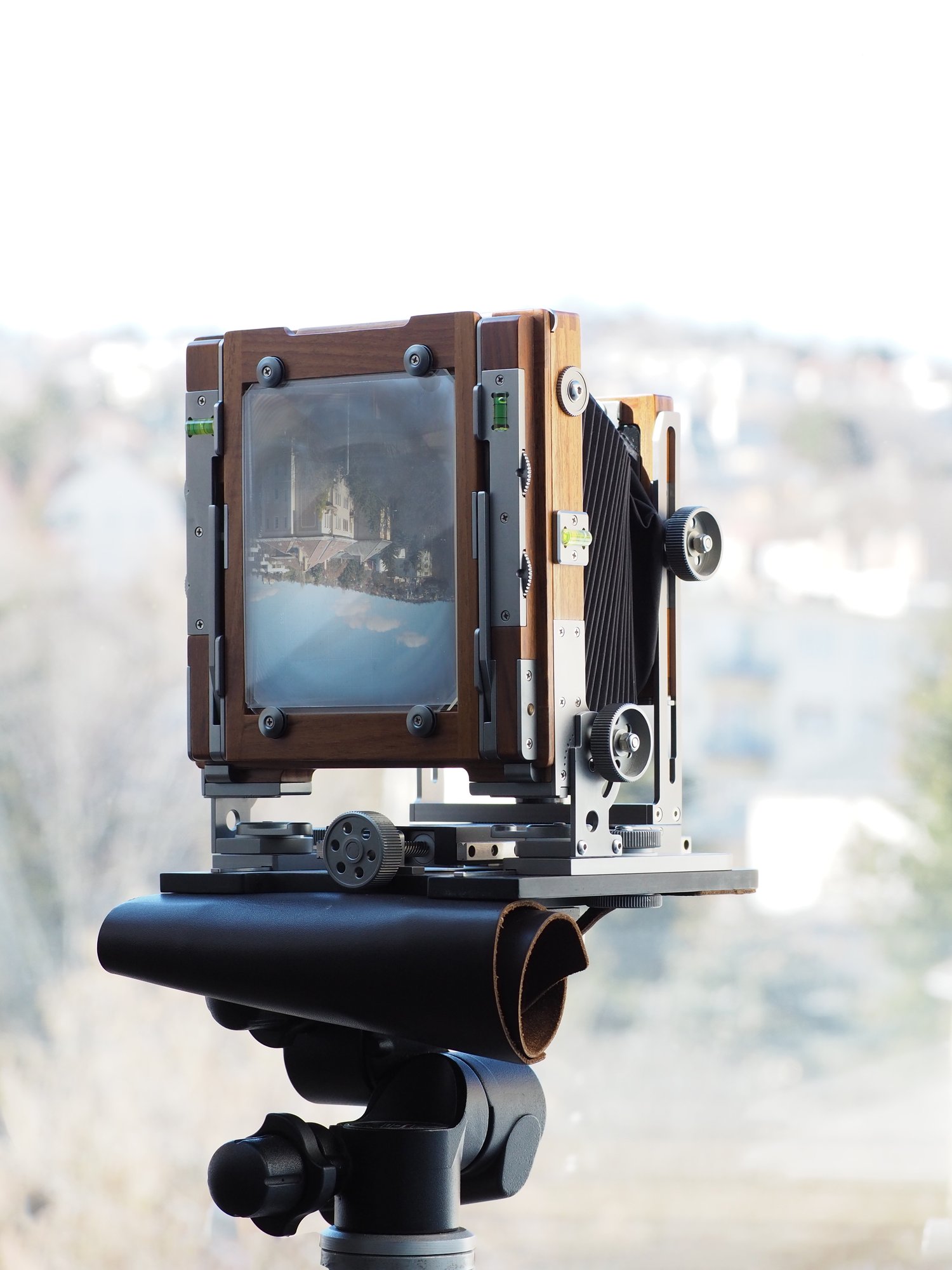
He trained as an architect and never stopped painting. Film photography, oil painting, two decades of looking at buildings as pictures. That's the judgment behind every decision the studio makes, and the part AI has no access to.
I trained as an architect and never stopped painting. Both of those things shape how I look at your project. I don't approach it as a technical brief. I approach it the way a photographer approaches a subject: what is the one image that makes this building impossible to forget?
I founded ALA because I wanted a studio where every image gets that question asked of it. Not a factory, not a service provider — a small team that cares about composition, light, and the feeling your image leaves behind long after the jury moves on.
After 20 years and hundreds of projects, that's still the only thing worth getting right: making your architecture feel inevitable before a single brick is laid.
Aron Lorincz Ateliers
Why smooth, perfect renders are no longer enough, and what we choose to make instead.
There is one typical visual language in architectural visualization today. You know it immediately: soft, bright, warm, broadly welcoming. Shadows softened. Interiors glowing behind glass that in reality would be dark. A palette of muted beige that feels safe and easy to digest. It works. Clients respond well in the room. We are not arguing against its commercial logic. We are arguing that it is not enough.
We are living in a visual environment saturated with technically flawless images that ask nothing of the viewer. Smooth, palatable, endlessly similar. The result is a kind of visual fatigue: another beige sunset, another warm glow, another frictionless scene that leaves no trace. The architectural idea may still come through. But it cannot leave a real impression. And when every project looks broadly the same, the ones with the most distinctive architecture suffer most. The image flattens exactly what makes the design worth noticing.
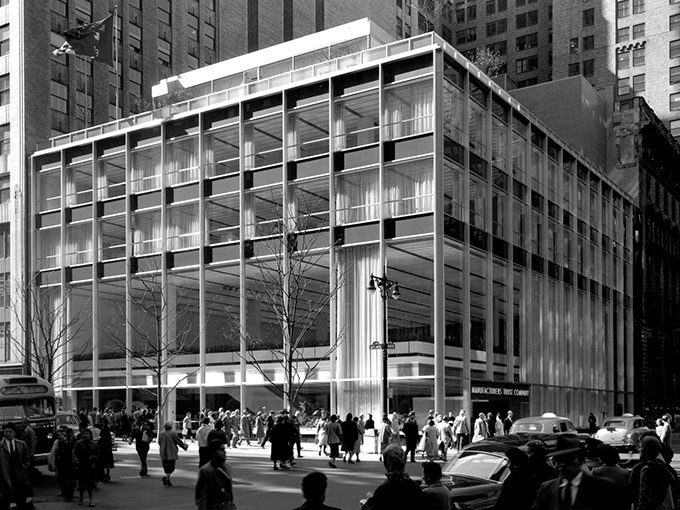
Ezra Stoller did not make architecture look welcoming. He made it look inevitable. His photographs are contrasty, specific, sometimes severe, committed to a real moment in real light, trusting the architecture to carry the image without assistance. No added warmth, no softening, no attempt to make the building feel safer than it actually is.
This is not a historical curiosity. The greatest architectural photographers working today operate by exactly the same principles. They choose a moment, commit to it, and let the building speak. The images are stronger for everything they refuse to do.
The question is why rendering, which has the same expressive potential as photography, defaults instead to the opposite of all this.
A photograph validates a building after it is built. It shows the world what the architecture actually is, in real light, at a real moment, and that reality, more often than not, is more compelling than any render that preceded it. What we are after is the same quality of seeing, applied to architecture that has not yet been built. Not darker, not more difficult, but more honest. More specific. More willing to commit to a single clear moment. The same quiet confidence the best architectural photography carries, applied to the unbuilt work. The audience that matters most for serious architecture — jurors, editors, fellow architects, informed clients — already knows how to read an image like that. They do not need to be guided by warmth or reassured by soft light.
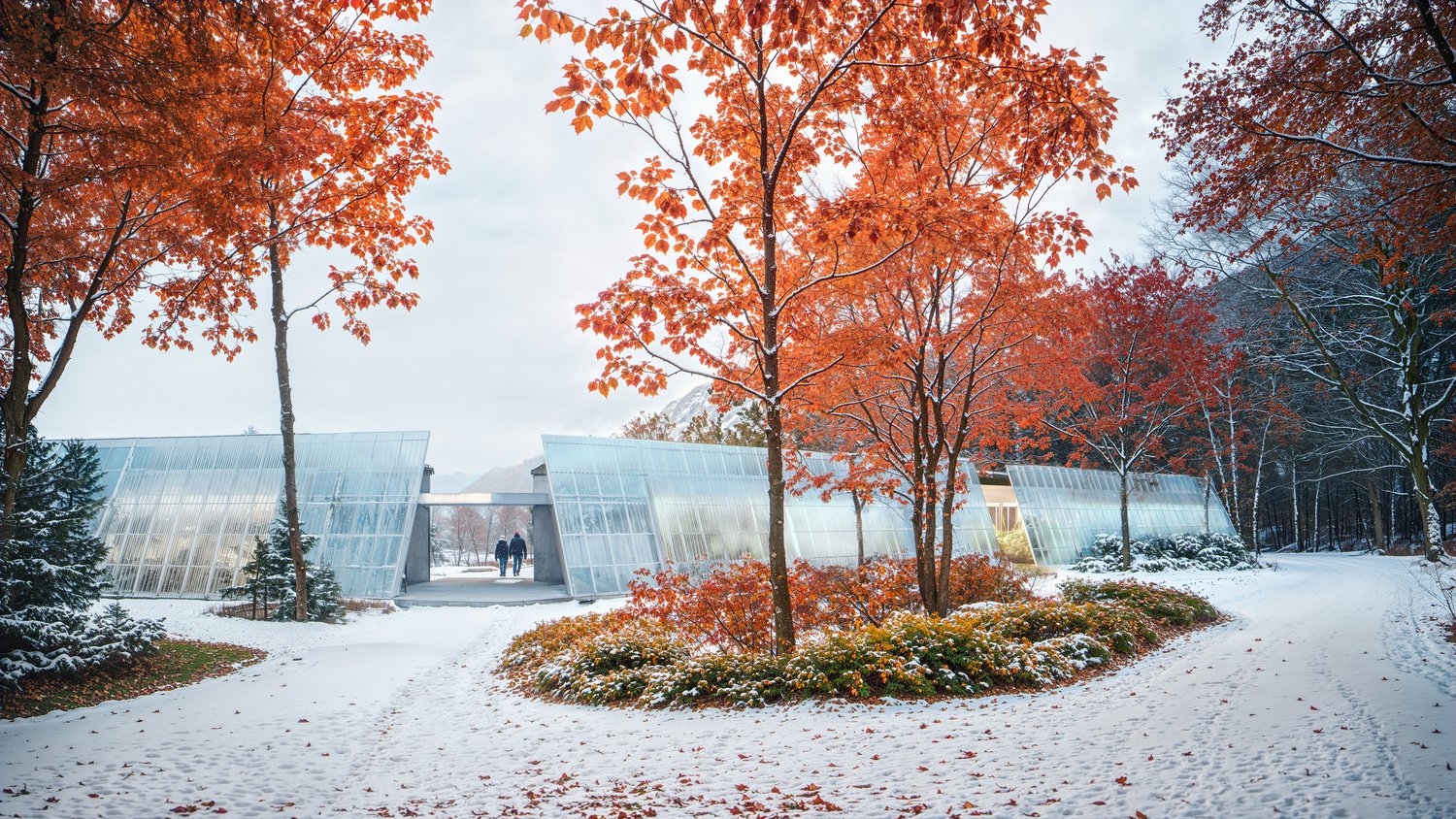
One or two hero shots cannot carry the full weight of a project. A single overloaded image trying to show everything — form, materiality, atmosphere, context, activity — ends up saying nothing clearly. When you squint at it, the building disappears. What works is a series: smaller, focused frames each holding one idea, one moment, one aspect of the design. An exterior that is purely about form in real daylight. A detail that is purely about materiality. An interior that is purely about the quality of light the space actually produces. Together they build a real understanding of the project. And within that set, a hero view earns its place, not as the only statement, but as the culmination of a coherent visual argument. A render is too often treated like a technical drawing: expected, obligatory, designed to avoid criticism. But an image can do more than that. It can surprise, it can silence, it can reveal something about the design that no drawing can. Not explaining the project, but making it felt.
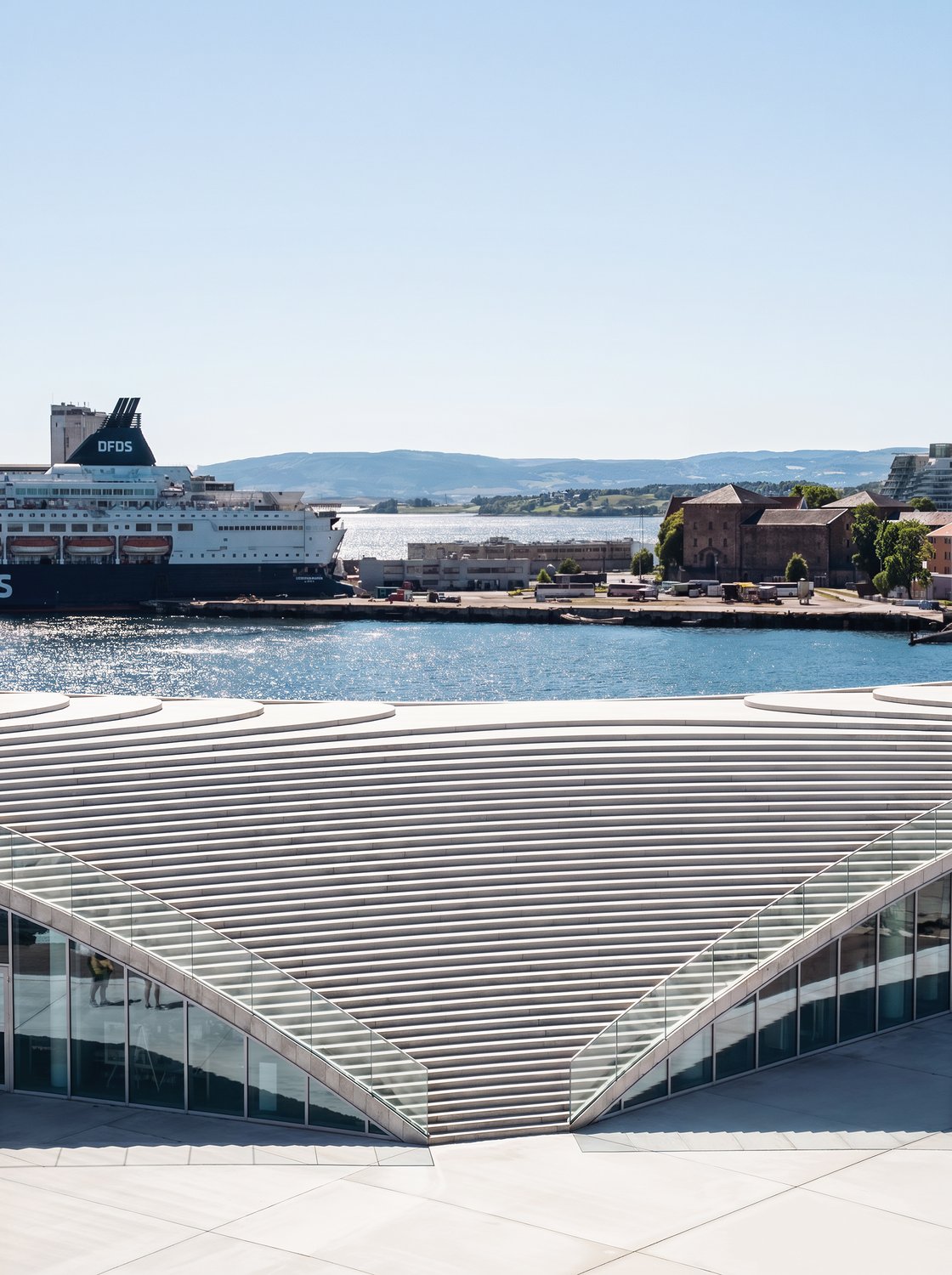
AI image generation has a genuine role in the process. For volume work, options, variations, illustrative overviews, early-stage explorations, it is a powerful and efficient tool.
But AI optimizes toward average perfection. It smooths, it balances, it produces images that are technically accomplished and visually palatable, and for exactly that reason, generically so. The output tends toward a frictionless perfection that looks like everything and nothing at once.
The judgment about which option is right remains human. The eye that decides what is true to the building is still an eye. That has not changed.
Any architect can photograph their own building. Same camera, same button. The images that end up in publications are still made by photographers, because the tool was never the point. AI is no different. It gives you a good image, fast, assembled from everything it has already seen. AI can do the perfect image. We do the right one.
The magic of early CGI visualization was real. It was a new discipline finding its visual language, playful, optimistic, not without its own beauty. That era produced genuinely exciting work.
But much of what is produced today has crossed into something else. With a photographer's eye, or simply a sensitive one: too much, too smooth, too eager to please and to sell. The warmth is performed. The light is invented. Nothing feels quite true or earned. And kitsch next to serious architecture does not just weaken the image. It weakens the design it represents.
The most progressive visualization practices today have moved decisively away from this. That visual language is increasingly read by informed audiences as dated, associated with a commercial ambition that sits awkwardly next to work of genuine architectural significance. The shift is already happening. We are part of it.
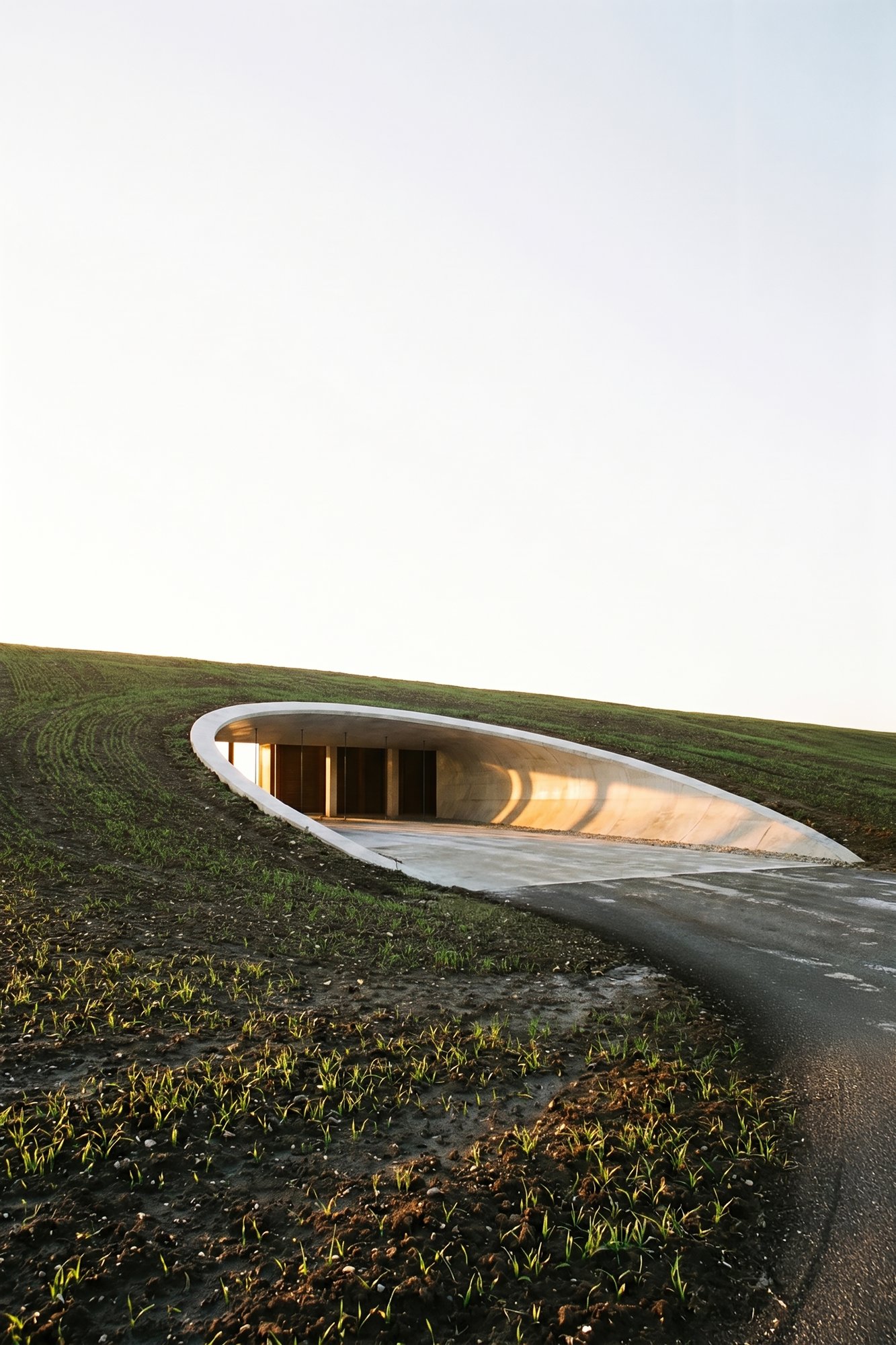
We believe the moment we are in asks for different answers, architecturally and visually. The images we make are specific rather than generic, earned rather than performed, committed to a point of view rather than assembled for easy appeal. They ask something of the viewer — and that is precisely the point. Serious architecture deserves images that arrive at the same level of ambition, with the same honesty about what the building is and what light it actually lives in.
The architecture we are most drawn to gives honest answers to the real demands of its moment — environmental, social, cultural — and still has the courage to be progressive and visually alive. That combination is rare. When it exists, visualization has real work to do: not selling the project, but carrying it at the same level of commitment with which it was designed. That demands bravery on both sides.
We believe there is real demand for a different reading. People who can read a serious building and expect the images to arrive at the same level of thinking. That is who we are making images for.
AI can do the perfect image — we do the right one.
office@aronlorincz.com
+36 30 565 1167
Budapest, Hungary
It is difficult to imagine how people who have been blind since birth perceive the world around them. Because of this, many of us feel uncertain about how to approach them or connect with them in everyday situations.
That is why we turned to artificial intelligence to help seven people who were born blind share how they experience some of Budapest's busiest urban intersections, places that both you and they pass through every single day.
Explore their creations, travel through the city with them, and discover how they perceive the world. And whenever you are out in the city, remember to look around through different eyes, and offer help where you can.
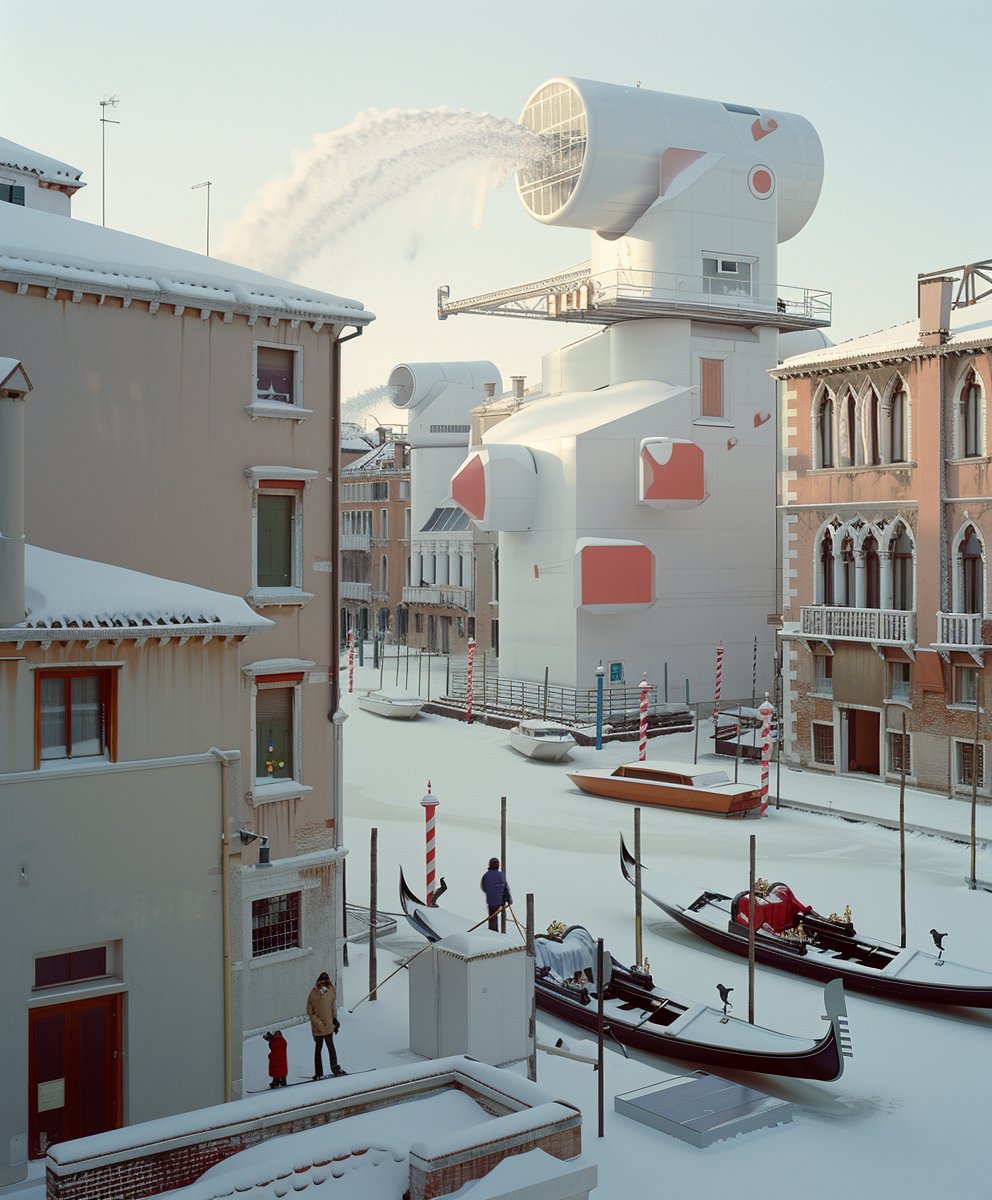
The Bulgarian Pavilion at the 2025 Venice Architecture Biennale explores the fragile relationship between artificial intelligence, technology, and sustainability.
At the center of the installation, a solar powered machine produces artificial snow that slowly covers the very panels powering it, creating a system that works against itself. Through a mix of handcrafted objects, AI generated environments, and speculative scenarios, the project reflects on how technology increasingly reshapes our understanding of nature.
Postcards created for the Bulgarian Pavilion's Pseudonature installation at the 19th Venice Architecture Biennale, in collaboration with Iassen Markov.
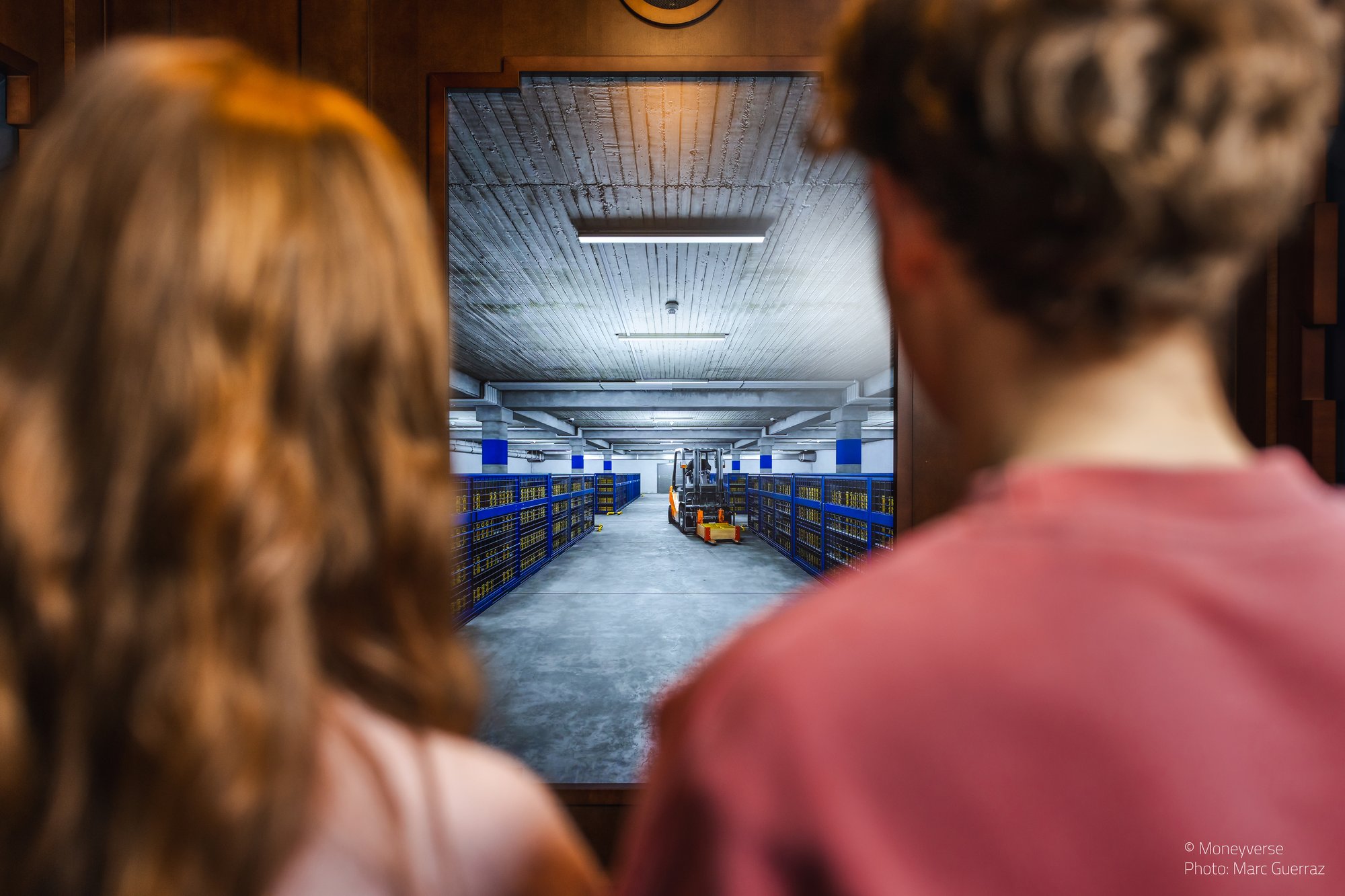
Set in the heart of Bern, Moneyverse is an interactive exhibition dedicated to one of humanity's most influential inventions: money.
Developed by the Bern History Museum in collaboration with the Swiss National Bank, the exhibition introduces visitors to key economic questions, the role and mandate of the SNB, and the broader cultural and social significance of money. The project combines historical, educational, and economic perspectives, making complex monetary topics accessible through a layered exhibition experience.
Our studio contributed to the exhibition section titled "Myth Lift", which explores the myths and hidden narratives surrounding the Swiss National Bank — addressing questions such as how the world's most secure banknotes are produced, and whether Switzerland's secret gold reserves are fact or fiction.
For this section, we created a detailed 3D model and animation to support the storytelling of the installation, helping translate abstract institutional and monetary themes into a clear, engaging visual experience for visitors.
ALA — Aron Lorincz Ateliers
Owner: Áron Lőrincz
Kiss János altábornagy utca 55–59., Building C, Staircase 5, Floor 3, Apt. 49
1124 Budapest, Hungary
Email: office@aronlorincz.com
Web: ala.hu
Registered in Hungary. Tax number and company registration number available on request.
The content of this website has been prepared with reasonable care. ALA assumes no liability for the accuracy, completeness or timeliness of the information provided.
All images, texts and visual materials on this website are the property of ALA — Aron Lorincz Ateliers unless otherwise stated. Reproduction or use without prior written permission is not permitted.
ALA — Aron Lorincz Ateliers
Kiss János altábornagy utca 55–59., Building C, Staircase 5, Floor 3, Apt. 49
1124 Budapest, Hungary
Email: office@aronlorincz.com
When you use the contact form on this website, we collect your name, email address, company or studio name (optional) and the project description you provide.
This website uses Google Analytics (GA4) to understand how visitors use the site — pages visited, time spent, and general traffic sources. This is activated only if you accept cookies via the consent banner. Google Analytics uses cookies to collect anonymised usage data. No personally identifiable information is sent to Google. You can decline cookie use at any time — the website functions fully without analytics cookies. Your preference is stored locally in your browser and can be reset by clearing your browser storage.
In addition, this website uses Cloudflare Web Analytics, a privacy-first measurement service that works without cookies and does not collect or store any personal data or persistent identifiers. As it processes no personal information, it runs independently of the cookie consent banner.
The information submitted through the contact form is used solely to respond to your inquiry and to discuss a potential project collaboration. We do not share your data with third parties, and we do not use it for marketing purposes without your explicit consent.
Processing is based on your consent (Art. 6(1)(a) GDPR) given at the time of submission, and on our legitimate interest in responding to business inquiries (Art. 6(1)(f) GDPR).
We retain your contact information for as long as necessary to handle your inquiry, and for up to two years thereafter for business record purposes, unless you request earlier deletion.
Under the GDPR you have the right to access, correct, delete or restrict the processing of your personal data, and to withdraw consent at any time. To exercise these rights, contact us at office@aronlorincz.com.
You have the right to lodge a complaint with the Hungarian National Authority for Data Protection and Freedom of Information (NAIH, naih.hu).